
Jerry Cans, Holders & Accessories
Original price
$99.95
-
Original price
$99.95
Original price
$99.95
$99.95
$99.95
-
$99.95
Current price
$99.95
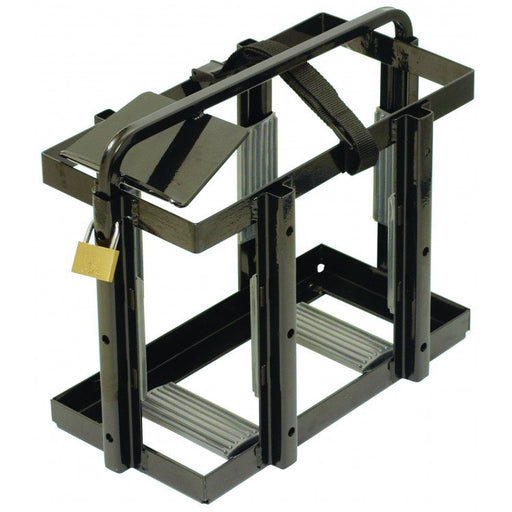
Ark Lockable Top Loading Jerry Can Holder
Ark Part Number: JCH1020DCarries and secures jerry cans up to 355mm(w) x 180mm(d) x 477mm(h) Top loading jerry can holder allows easy access where front loading i...
View full details
Original price
$99.95
-
Original price
$99.95
Original price
$99.95
$99.95
$99.95
-
$99.95
Current price
$99.95
Original price
$89.95
-
Original price
$89.95
Original price
$89.95
$89.95
$89.95
-
$89.95
Current price
$89.95
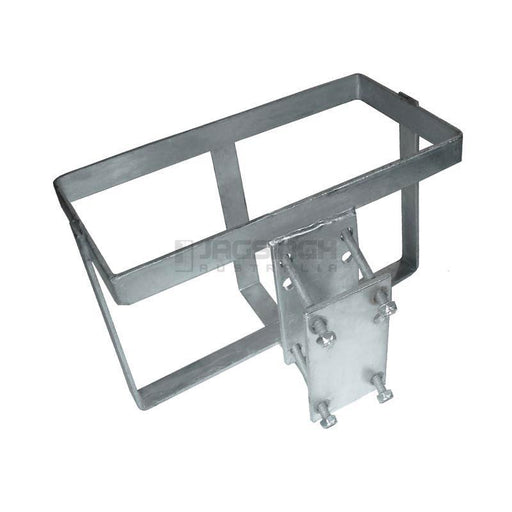
Bolt On Jerry Can Holder 370x180x230mm
Jagsingh Australia Part Number: JS-JERBOLBolt on jerry can holder Can hold Petrol, Diesel or water Holds Jerry cans securely while driving Size: 370mm x 180mm De...
View full details
Original price
$89.95
-
Original price
$89.95
Original price
$89.95
$89.95
$89.95
-
$89.95
Current price
$89.95
Original price
$109.95
-
Original price
$109.95
Original price
$109.95
$109.95
$109.95
-
$109.95
Current price
$109.95
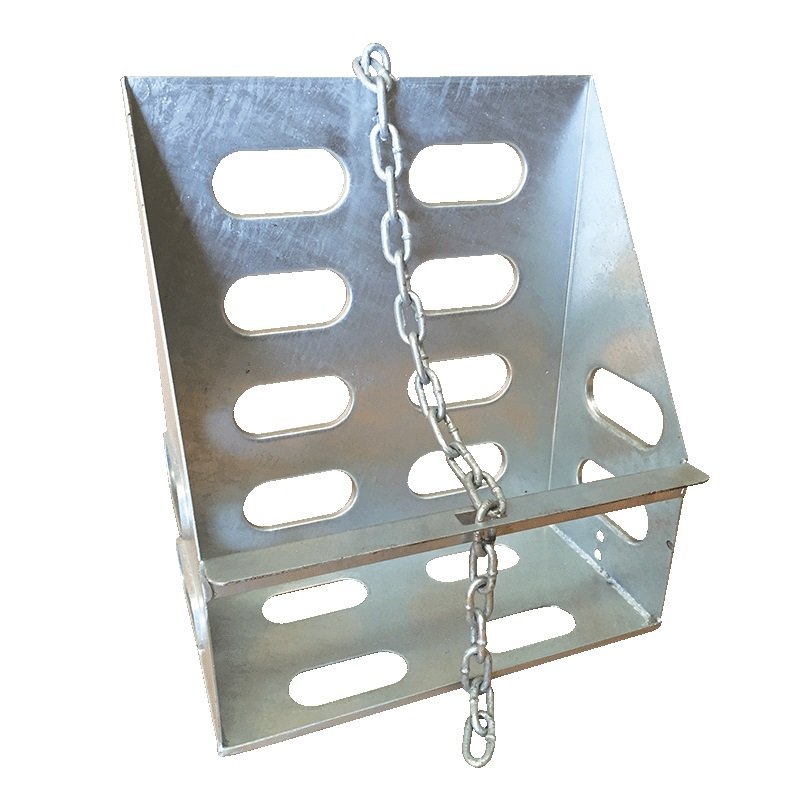
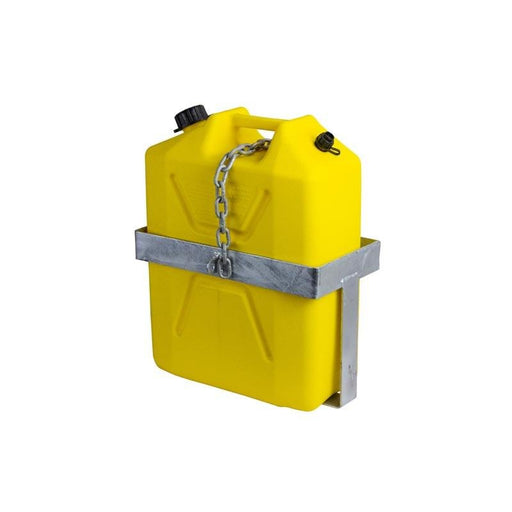
Lockable Jerry Can Holder Galvanised
Jagsingh Australia Part Number: JS-JERLOCSize: 360mm x 180mm Depth: 255mm Internal Height with Bar is 465mm Comes With Bolt On Plate to Suit 75mm x 50mm Draw bar and 100mm x 5...
View full details
Original price
$109.95
-
Original price
$109.95
Original price
$109.95
$109.95
$109.95
-
$109.95
Current price
$109.95
Original price
$94.95
-
Original price
$94.95
Original price
$94.95
$94.95
$94.95
-
$94.95
Current price
$94.95
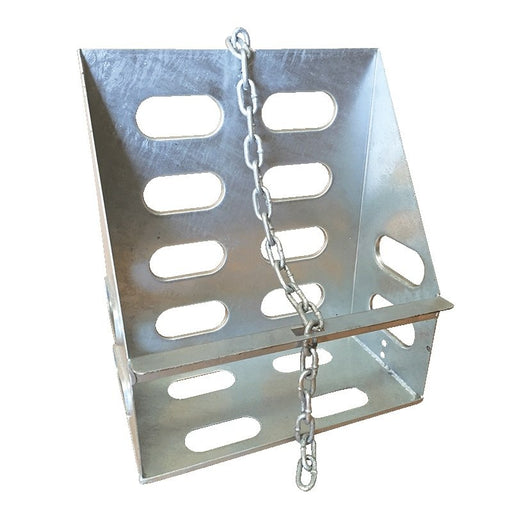
Lockable Jerry Can Holder Galvanised
Coast To Coast Part Number: 450-02498This Heavy Duty Jerry Can Holder is used widely with the Jayco range of Camper Trailers, Pop Tops and Caravans but can also be fitted to ...
View full details
Original price
$94.95
-
Original price
$94.95
Original price
$94.95
$94.95
$94.95
-
$94.95
Current price
$94.95
Original price
$46.95
-
Original price
$46.95
Original price
$46.95
$46.95
$46.95
-
$46.95
Current price
$46.95
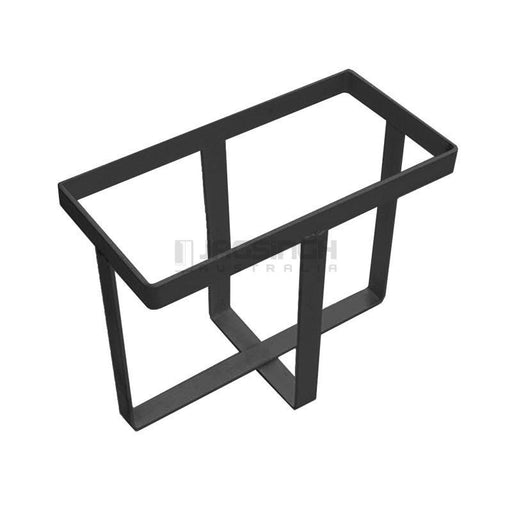
Weld On Jerry Can Holder 365x185x215mm
Jagsingh Australia Part Number: JS-JERSTWeld on jerry can holder Can hold Petrol, Diesel or water Holds Jerry cans securely while driving Size: 365mm x 185mm Depth: 2...
View full details
Original price
$46.95
-
Original price
$46.95
Original price
$46.95
$46.95
$46.95
-
$46.95
Current price
$46.95
Original price
$119.95
-
Original price
$119.95
Original price
$119.95
$119.95
$119.95
-
$119.95
Current price
$119.95
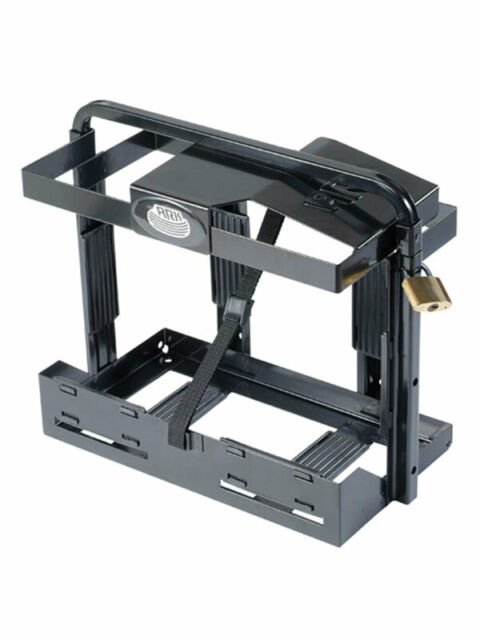
Ark Lockable Front Loading Jerry Can Holder
Ark Part Number: JCHF20DCarries and secures jerry cans up to 355mm(w) x 195mm(d) x 510mm(h) Front loading jerry can holder allows easy access where top loading i...
View full details
Original price
$119.95
-
Original price
$119.95
Original price
$119.95
$119.95
$119.95
-
$119.95
Current price
$119.95
Original price
$49.95
-
Original price
$49.95
Original price
$49.95
$49.95
$49.95
-
$49.95
Current price
$49.95
Front Opening Jerry Can Holder 370x180x295mm
Manutec Part Number: JCHDOThe Zinc coated Jerry Can Holder has a hinged front strap that permits the jerry can to be removed when there is little or no overhead room for t...
View full details
Original price
$49.95
-
Original price
$49.95
Original price
$49.95
$49.95
$49.95
-
$49.95
Current price
$49.95
Original price
$36.95
-
Original price
$36.95
Original price
$36.95
$36.95
$36.95
-
$36.95
Current price
$36.95
Weld On Jerry Can Holder Zinc Plated 370x180x300mm
Manutec Part Number: JCHD-MTSPTop Loading Jerry Can Holder Inside Dimensions: 370 X 180 X 300mm Weight: 3kg Weld on ...
View full details
Original price
$36.95
-
Original price
$36.95
Original price
$36.95
$36.95
$36.95
-
$36.95
Current price
$36.95
Original price
$34.95
-
Original price
$34.95
Original price
$34.95
$34.95
$34.95
-
$34.95
Current price
$34.95
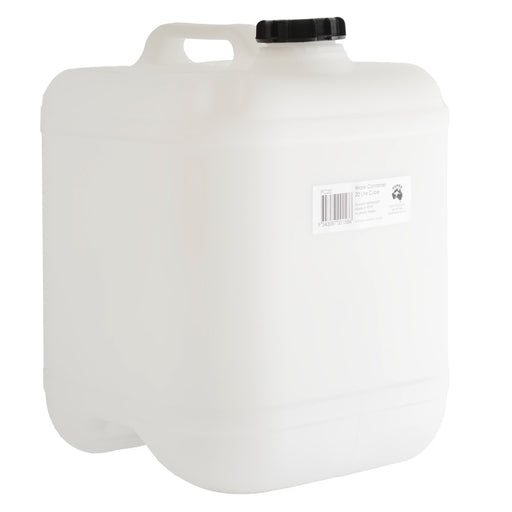
Supex Cube Water Container 20L
Supex Products Part Number: PC20It's essential that any water you take on your trip is stored in reliable, taint-free cubes so you have ample supply of quality water at every step...
View full details
Original price
$34.95
-
Original price
$34.95
Original price
$34.95
$34.95
$34.95
-
$34.95
Current price
$34.95
Original price
$19.95
-
Original price
$19.95
Original price
$19.95
$19.95
$19.95
-
$19.95
Current price
$19.95
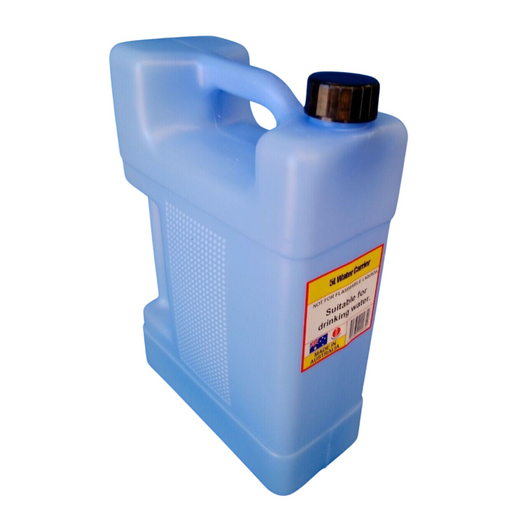
Supex Water Container 5L
Supex Products Part Number: AT5The perfect sized water container for overnight trips, for those who find 10L and 20L too heavy and for when space is at a premium. Top handle w...
View full details
Original price
$19.95
-
Original price
$19.95
Original price
$19.95
$19.95
$19.95
-
$19.95
Current price
$19.95
Original price
$36.95
-
Original price
$36.95
Original price
$36.95
$36.95
$36.95
-
$36.95
Current price
$36.95
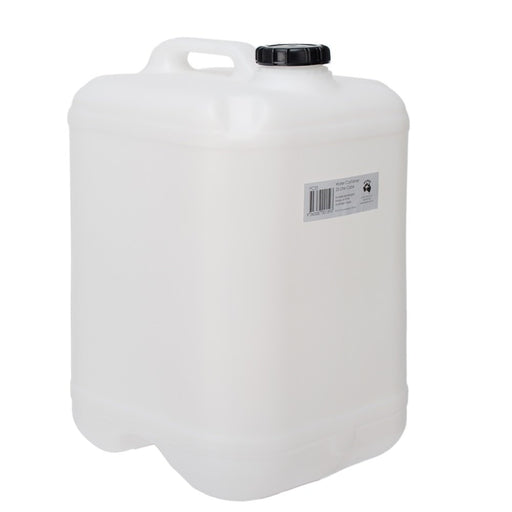
Supex Cube Water Container 25L
Supex Products Part Number: PC25Correctly transporting and storing your water is essential at every stage of your camping journey, so ensure it is stored in reliable, taint-free c...
View full details
Original price
$36.95
-
Original price
$36.95
Original price
$36.95
$36.95
$36.95
-
$36.95
Current price
$36.95
Original price
$32.95
-
Original price
$32.95
Original price
$32.95
$32.95
$32.95
-
$32.95
Current price
$32.95
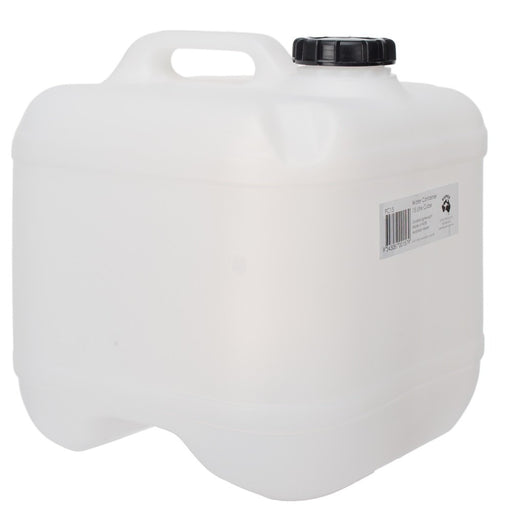
Supex Cube Water Container 15 L
Supex Products Part Number: PC15Features & Specification It's essential that the water you take on your trip is stored in reliable, taint-free cubes so you will have ample su...
View full details
Original price
$32.95
-
Original price
$32.95
Original price
$32.95
$32.95
$32.95
-
$32.95
Current price
$32.95
Original price
$24.95
-
Original price
$24.95
Original price
$24.95
$24.95
$24.95
-
$24.95
Current price
$24.95
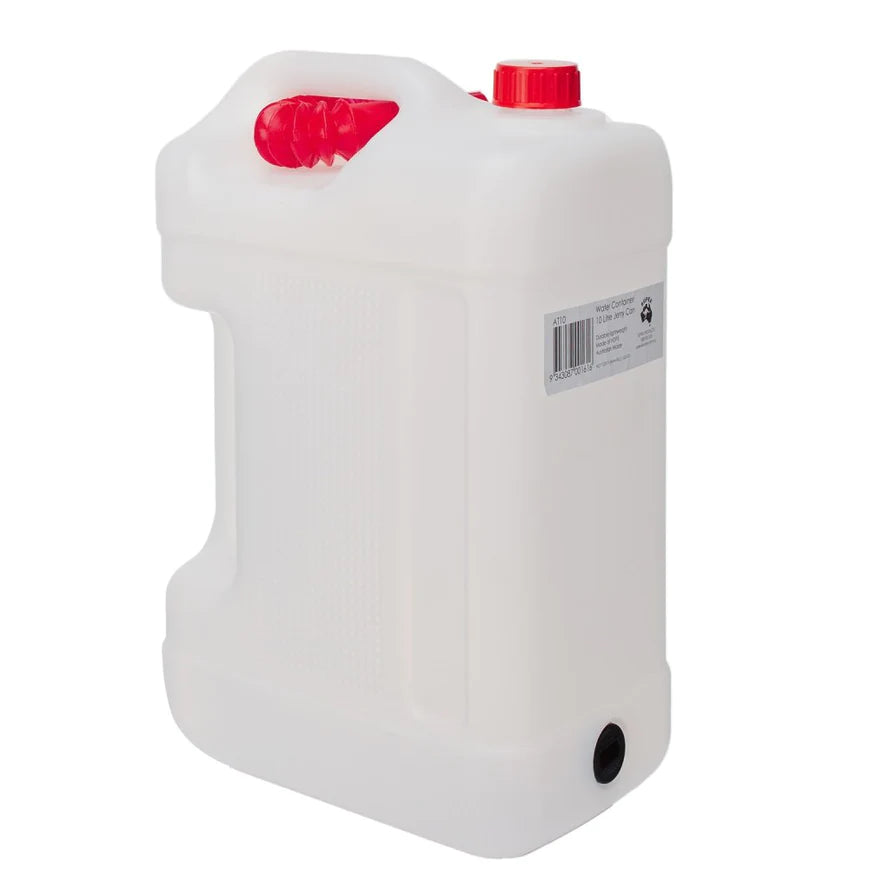
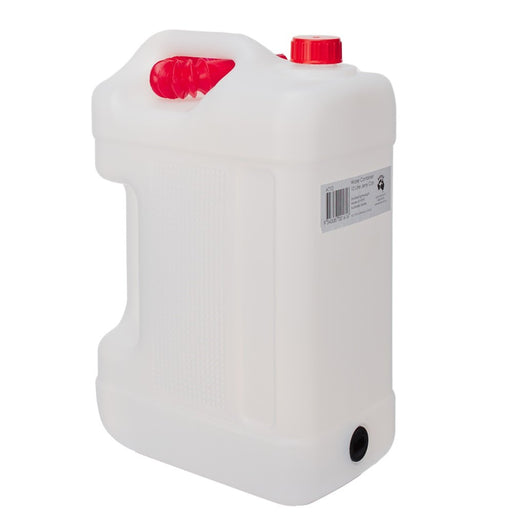
Supex Water Container 10L
Supex Products Part Number: AT10You can't afford to have cracked or leaking cans when it comes to storing water, so durability and reliability is key. This 10L jerry can will ensu...
View full details
Original price
$24.95
-
Original price
$24.95
Original price
$24.95
$24.95
$24.95
-
$24.95
Current price
$24.95
Original price
$149.95
-
Original price
$149.95
Original price
$149.95
$149.95
$149.95
-
$149.95
Current price
$149.95
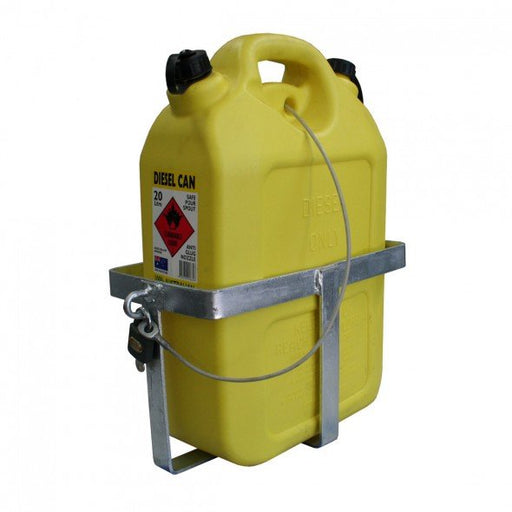
Dunbier Lockable Jerry Can Holder Bolt On With Mount Bracket Galvanised
Dunbier Part Number: 3920DUNBIER Lockable Jerry Can Holder Galvanized Includes all mounting hardware Heavy duty Pad lock ...
View full details
Original price
$149.95
-
Original price
$149.95
Original price
$149.95
$149.95
$149.95
-
$149.95
Current price
$149.95
Original price
$3.00
-
Original price
$3.00
Original price
$3.00
$3.00
$3.00
-
$3.00
Current price
$3.00
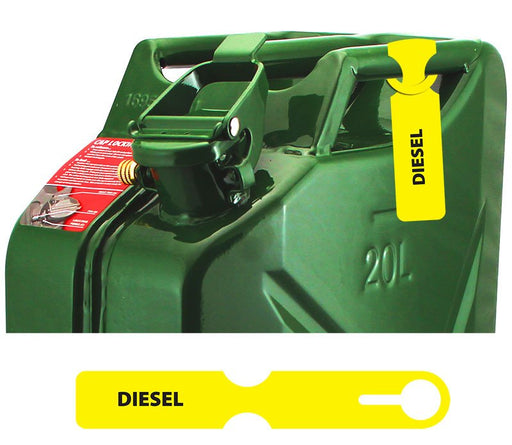
Fuel Can ID Tag - Yellow/Diesel
Fuel Safe Part Number: FCTYELMade from durable plastic, these colour-coded fuel can tags help to safely distinguish between stored liquids and fuels, making storage and trans...
View full details
Original price
$3.00
-
Original price
$3.00
Original price
$3.00
$3.00
$3.00
-
$3.00
Current price
$3.00
Original price
$3.95
-
Original price
$3.95
Original price
$3.95
$3.95
$3.95
-
$3.95
Current price
$3.95
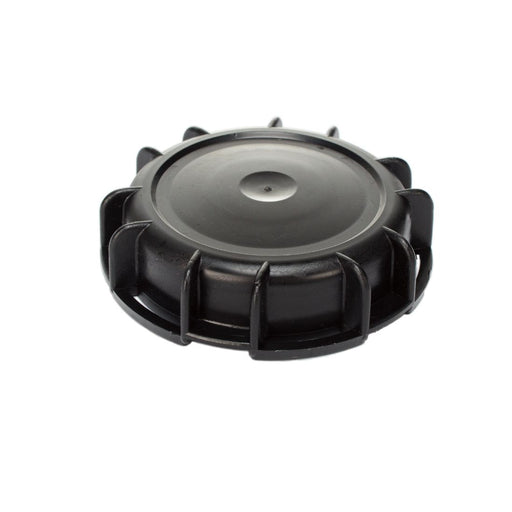
Cap to suit Water Container
Supex Products Part Number: PCCPlastic screw cap to suit water cubes and drums, for replacement or spares. You will be in an unfortunate situation if the cap on your water cube ...
View full details
Original price
$3.95
-
Original price
$3.95
Original price
$3.95
$3.95
$3.95
-
$3.95
Current price
$3.95
Original price
$39.95
-
Original price
$39.95
Original price
$39.95
$39.95
$39.95
-
$39.95
Current price
$39.95
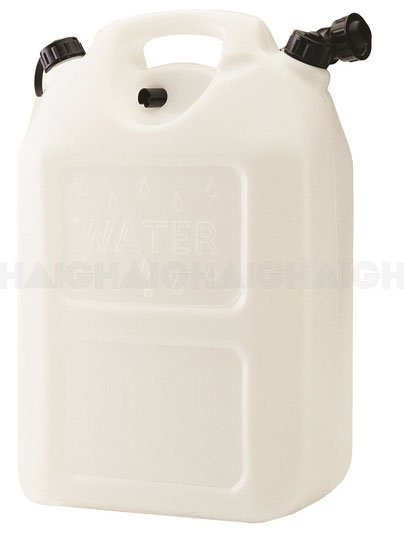
20L Water Container
Cargo Mate Part Number: WC2020L plastic container. BPA free. Suitable for storing fresh drinking water when camping, boating & fishing. Australian Ma...
View full details
Original price
$39.95
-
Original price
$39.95
Original price
$39.95
$39.95
$39.95
-
$39.95
Current price
$39.95
Original price
$16.95
-
Original price
$16.95
Original price
$16.95
$16.95
$16.95
-
$16.95
Current price
$16.95
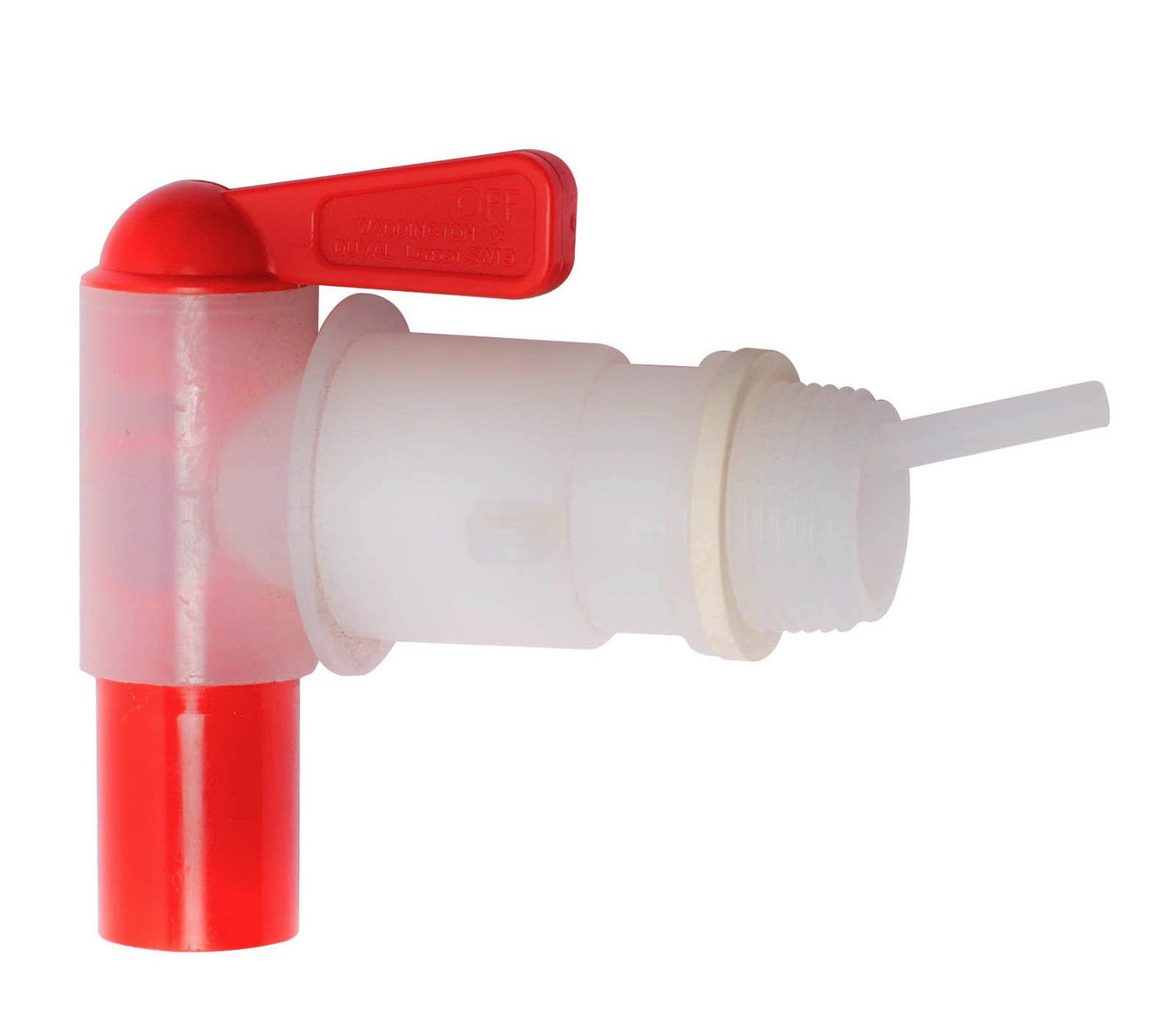
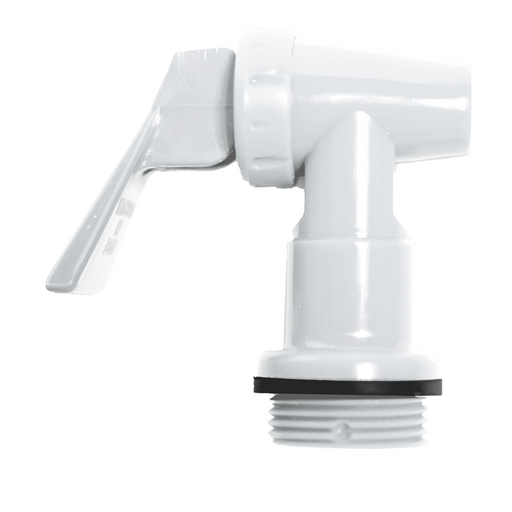
Plastic Drum Tap
Kookaburra Part Number: JE9052This plastic drum tap is a versatile accessory suitable for most 3/4" BSP threaded drums. Made from high-quality, BPA-free plastic, it features a f...
View full details
Original price
$16.95
-
Original price
$16.95
Original price
$16.95
$16.95
$16.95
-
$16.95
Current price
$16.95
Original price
$3.95
-
Original price
$3.95
Original price
$3.95
$3.95
$3.95
-
$3.95
Current price
$3.95
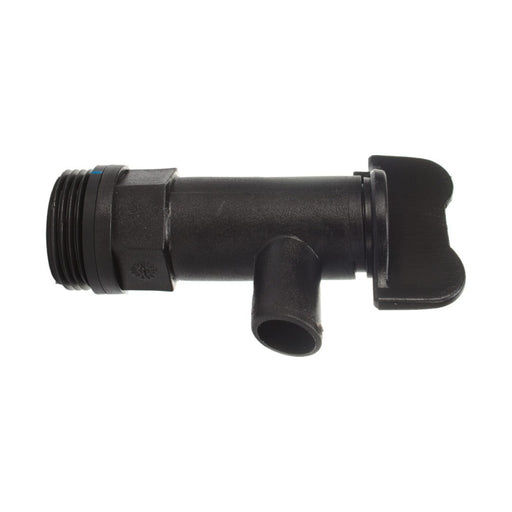
Universal On / Off Tap For Water Container
Supex Products Part Number: PCTUniversal on/off tap to suit water drums and cubes. Have your water supply immediately on hand! Simply fasten to water drums or cubes and twist kn...
View full details
Original price
$3.95
-
Original price
$3.95
Original price
$3.95
$3.95
$3.95
-
$3.95
Current price
$3.95
Original price
$2.95
-
Original price
$2.95
Original price
$2.95
$2.95
$2.95
-
$2.95
Current price
$2.95
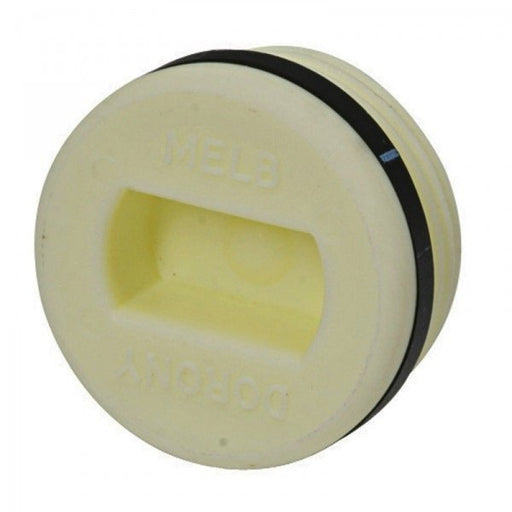
Universal Drum Bung
Part Number: PCBUniversal Drum Bung
Original price
$2.95
-
Original price
$2.95
Original price
$2.95
$2.95
$2.95
-
$2.95
Current price
$2.95
Original price
$6.95
-
Original price
$6.95
Original price
$6.95
$6.95
$6.95
-
$6.95
Current price
$6.95
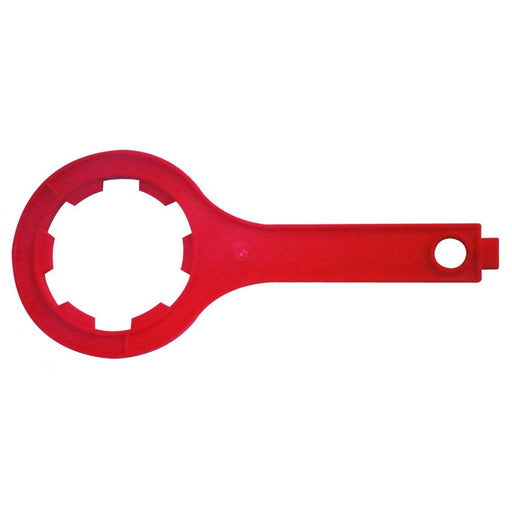
Drum Spanner
Supex Products Part Number: SPADrum Spanner for cap and bung to suit water cubes and drums. Opening containers and removing bungs can be time-consuming if you are not equ...
View full details
Original price
$6.95
-
Original price
$6.95
Original price
$6.95
$6.95
$6.95
-
$6.95
Current price
$6.95
Original price
$19.95
-
Original price
$19.95
Original price
$19.95
$19.95
$19.95
-
$19.95
Current price
$19.95
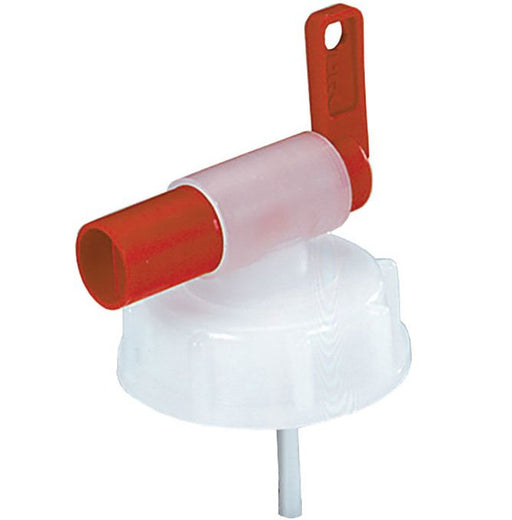
Aeroflow Cap Tap 58mm
Supex Products Part Number: PCAFCAeroflow Taps allow the user to simply and easily attach the appropriate size cap to their 10 or 20 litre drum and lay it on its side for easy...
View full details
Original price
$19.95
-
Original price
$19.95
Original price
$19.95
$19.95
$19.95
-
$19.95
Current price
$19.95
Original price
$17.95
-
Original price
$17.95
Original price
$17.95
$17.95
$17.95
-
$17.95
Current price
$17.95
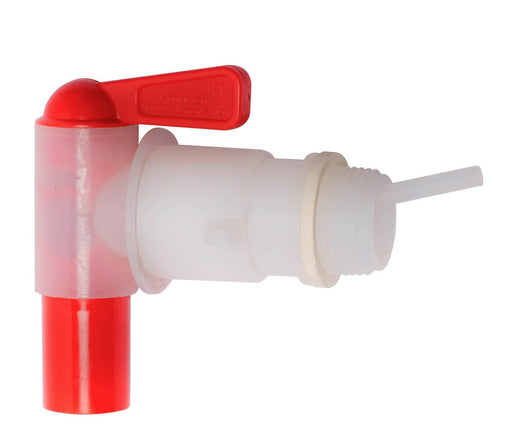
Bung Aeroflow Tap
Supex Products Part Number: PCAFBAeroflow Taps allow the user to simply and easily attach the tap to their 10 or 20 litre drum via their ¾” Bung fitting. The Aeroflow t...
View full details
Original price
$17.95
-
Original price
$17.95
Original price
$17.95
$17.95
$17.95
-
$17.95
Current price
$17.95
Original price
$56.95
-
Original price
$56.95
Original price
$56.95
$56.95
$56.95
-
$56.95
Current price
$56.95
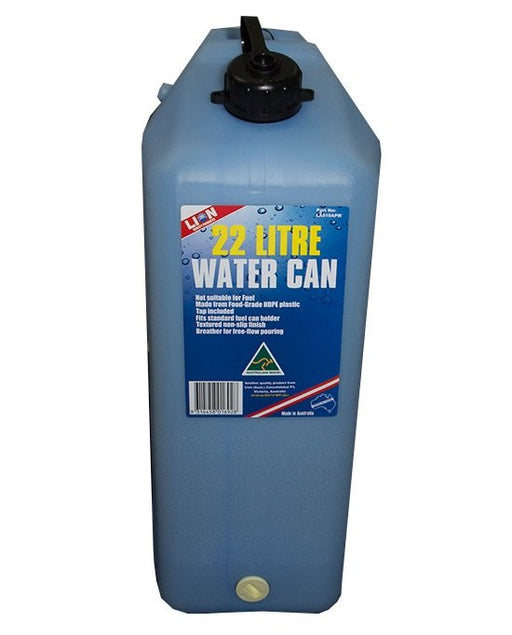
20L Plastic Water Container
Lion Part Number: LA510APW22 litre. Water container with flexible pouring spout and two screw pouring outlets with screw caps. Dimensions: 530 x 335 x 1...
View full details
Original price
$56.95
-
Original price
$56.95
Original price
$56.95
$56.95
$56.95
-
$56.95
Current price
$56.95
Original price
$5.00
-
Original price
$5.00
Original price
$5.00
$5.00
$5.00
-
$5.00
Current price
$5.00
Fuel Can ID Tag - Unprinted Clear
Jagsingh Australia Part Number: JS-P1048Fuel Can ID Tags make your fuel storage/cartage processes a lot safer, as well as increasing awareness of flammable liquids Tags are made from t...
View full details
Original price
$5.00
-
Original price
$5.00
Original price
$5.00
$5.00
$5.00
-
$5.00
Current price
$5.00

Original price
$5.00
-
Original price
$5.00
Original price
$5.00
$5.00
$5.00
-
$5.00
Current price
$5.00
Fuel Can ID Tag - 2 Stroke Bottle Green
Jagsingh Australia Part Number: JS-P1042Fuel Can ID Tags make your fuel storage/cartage processes a lot safer, as well as increasing awareness of flammable liquids Tags are made from t...
View full details
Original price
$5.00
-
Original price
$5.00
Original price
$5.00
$5.00
$5.00
-
$5.00
Current price
$5.00

Original price
$16.95
-
Original price
$16.95
Original price
$16.95
$16.95
$16.95
-
$16.95
Current price
$16.95
Jiggle Siphon Brass 13mm
Orcon Part Number: JSB1513A self priming device that is suitable for transferring most fuel and other liquids. The flow is started by simply jiggling the nozzle up and down ...
View full details
Original price
$16.95
-
Original price
$16.95
Original price
$16.95
$16.95
$16.95
-
$16.95
Current price
$16.95

Original price
$3.00
-
Original price
$3.00
Original price
$3.00
$3.00
$3.00
-
$3.00
Current price
$3.00
Fuel Can ID Tag - Unleaded Red
Fuel Safe Part Number: FCTREDMade from durable plastic, these colour-coded fuel can tags help to safely distinguish between stored liquids and fuels, making storage and trans...
View full details
Original price
$3.00
-
Original price
$3.00
Original price
$3.00
$3.00
$3.00
-
$3.00
Current price
$3.00

Original price
$3.00
-
Original price
$3.00
Original price
$3.00
$3.00
$3.00
-
$3.00
Current price
$3.00
Fuel Can ID Tag - Green/2 Stroke
Fuel Safe Part Number: FCTGRNMade from durable plastic, these colour-coded fuel can tags help to safely distinguish between stored liquids and fuels, making storage and trans...
View full details
Original price
$3.00
-
Original price
$3.00
Original price
$3.00
$3.00
$3.00
-
$3.00
Current price
$3.00

Original price
$3.00
-
Original price
$3.00
Original price
$3.00
$3.00
$3.00
-
$3.00
Current price
$3.00
Fuel Can ID Tag - Blue/Water
Fuel Safe Part Number: FCTBLUMade from durable plastic, these colour-coded fuel can tags help to safely distinguish between stored liquids and fuels, making storage and trans...
View full details
Original price
$3.00
-
Original price
$3.00
Original price
$3.00
$3.00
$3.00
-
$3.00
Current price
$3.00

Original price
$4.95
-
Original price
$4.95
Original price
$4.95
$4.95
$4.95
-
$4.95
Current price
$4.95
Pourmate
Camp Easy Part Number: PM58The PourMate can be fitted to the standard 58mm neck on a generic cube allowing for easy, mess free pouring. The pouring spout is then ...
View full details
Original price
$4.95
-
Original price
$4.95
Original price
$4.95
$4.95
$4.95
-
$4.95
Current price
$4.95
Original price
$24.95
-
Original price
$24.95
Original price
$24.95
$24.95
$24.95
-
$24.95
Current price
$24.95
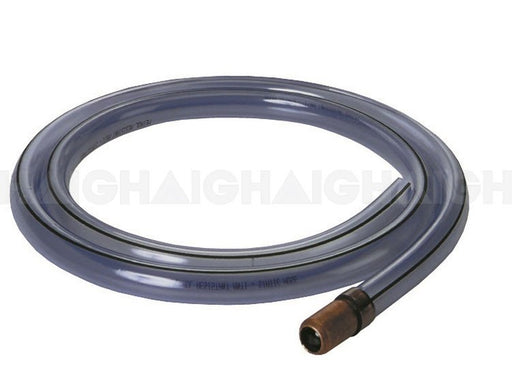
Jiggle Siphon Brass 19mm
Orcon Part Number: JSB219A self priming device that is suitable for transferring most fuel and other liquids. The flow is started by simply jiggling the nozzle up and dow...
View full details
Original price
$24.95
-
Original price
$24.95
Original price
$24.95
$24.95
$24.95
-
$24.95
Current price
$24.95
Original price
$16.95
-
Original price
$16.95
Original price
$16.95
$16.95
$16.95
-
$16.95
Current price
$16.95
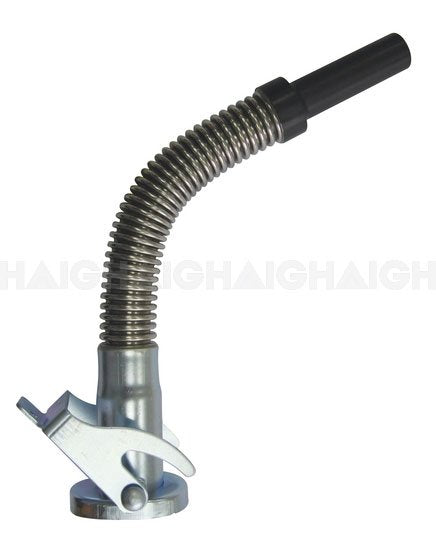
Jerry Can Flexi Power Spout
Cargo Mate Bushmaster Part Number: JCP01This pourer features a flexible nozzle for easy pouring and insulated tip to reduce the risk of static electricity. It also includes a gauze fi...
View full details
Original price
$16.95
-
Original price
$16.95
Original price
$16.95
$16.95
$16.95
-
$16.95
Current price
$16.95

Original price
$3.00
-
Original price
$3.00
Original price
$3.00
$3.00
$3.00
-
$3.00
Current price
$3.00
Fuel Can ID Tag - White/Blank
Fuel Safe Part Number: FCTWHTMade from durable plastic, these colour-coded fuel can tags help to safely distinguish between stored liquids and fuels, making storage and trans...
View full details
Original price
$3.00
-
Original price
$3.00
Original price
$3.00
$3.00
$3.00
-
$3.00
Current price
$3.00

Original price
$12.95
-
Original price
$12.95
Original price
$12.95
$12.95
$12.95
-
$12.95
Current price
$12.95
Funnel Plastic 3 In 1 Black
Orcon Part Number: 41153 in 1 plastic funnel with two piece removable spout and gauze filter. Adapts to different angles and is safe for use with most oils and f...
View full details
Original price
$12.95
-
Original price
$12.95
Original price
$12.95
$12.95
$12.95
-
$12.95
Current price
$12.95
Original price
$39.95
-
Original price
$39.95
Original price
$39.95
$39.95
$39.95
-
$39.95
Current price
$39.95
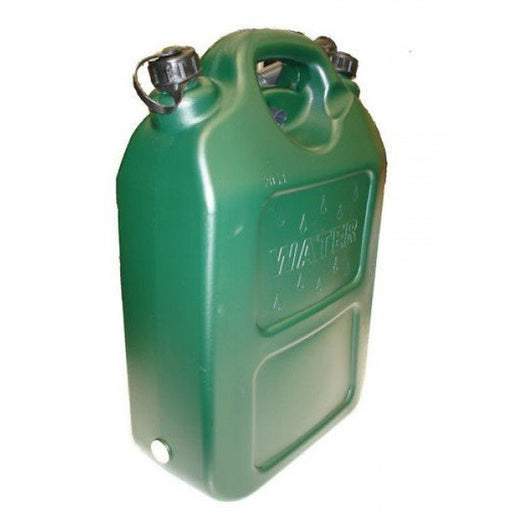
20L Jerry Can Plastic Green
Part Number: 095820 Litre Capacity Tough Plastic Lightweight Comes with pouring spout Measures: 170 x 340 x 530mmH
Original price
$39.95
-
Original price
$39.95
Original price
$39.95
$39.95
$39.95
-
$39.95
Current price
$39.95
Jerry Can FAQ: Filling, Carrying, Storing and Choosing Fuel Cans in Australia
Everything Australian caravanners and 4WD tourers ask us about jerry cans, answered with the current AS/NZS 2906 rules, state dangerous goods limits, service station policies and manufacturer data. Prices and regulations were checked in September 2026.
Jerry Can Basics
What is a jerry can, and is a jerrican the same thing?
A jerry can is a portable, flat sided container for carrying and storing fuel. The Australian fuel container standard, AS/NZS 2906, covers cans up to 25 litres.
Key features:
- Common sizes of 5, 10 and 20 litres, in pressed steel or HDPE plastic
- Tall rectangular shape that stacks and sits flat in a holder
- Wide carry handle (three handles on a steel NATO style can)
- Cam lever or screw cap with a breather so fuel pours without glugging
- Moulded or stamped AS/NZS 2906 mark and UN approval number on fuel rated cans. Water jerry cans share the shape but not the rating
Caravanners use them to top up the tow vehicle between remote servos, run a generator or outboard, carry two stroke for a chainsaw or mower, and, in the food grade water version, carry drinking water.
Jerry can, jerrycan and jerrican are the same word. Jerrican is the spelling used in European transport rules and by the Imperial War Museum; Australian retailers and the fuel industry use jerry can.
Why is it called a jerry can?
"Jerry" was British slang for German soldiers, and the can was a German design.
- Developed in the mid 1930s by engineer Vinzenz Grünvogel at Müller & Co in Schwelm, and standardised by the German army in 1937 as the Wehrmacht-Einheitskanister
- Held 20 litres, pressed from two steel halves with a recessed welded seam
- Three handles so one soldier could lift two full cans or four empty ones, or pass them down a line
- Cross shaped side pressings stiffened the can and let the contents expand, and an air pocket under the handles let a correctly filled can float
- Cam lever cap with an internal breather pipe poured cleanly without a funnel
British troops in North Africa were losing up to a quarter of their petrol from flimsy four gallon tins, so captured "Jerry" cans were prized and then copied by Briggs Motor Bodies, Vauxhall and Pressed Steel. The Imperial War Museum records more than 50 million made between mid 1942 and 1945. Steel cans sold in Australia today still follow the pattern, with the simplified X shaped pressings from the American redesign.
Are metal jerry cans better than plastic, and are plastic jerry cans safe?
Both are safe for petrol and diesel when they carry the AS/NZS 2906 mark and a UN approval number. Steel cans are pressed from about 0.9 mm steel with a fuel resistant enamel lining and a powder coated shell. Plastic cans are moulded in one piece from HDPE. The differences are practical:
- Weight: a 20 litre steel can weighs about 4 kg empty, a plastic can about 1.5 kg (roughly 21 kg against 18 kg full of diesel)
- Service life: the Australian Dangerous Goods Code sets a five year life for plastic cans from the date moulded into the can (older cans cannot be sold in Victoria and WorkSafe Victoria says not to use them); a well kept steel can lasts 20 years or more if the cap seal is replaced when it wears
- Orientation: a steel can with a cam lever or twist cap can be stowed in any position; a vented plastic can must stay upright
- Damage: steel dents and rusts where the coating is chipped and should not sit on bare concrete; plastic does not rust but can deform with heat or impact
- Water: the enamel lining in a steel fuel can is not food grade, so drinking water belongs in a HDPE water container
- Price (September 2026): 20 litre plastic $26 to $40; 20 litre steel $61 to $90
What is never safe is fuel in a container not built for it. Drink bottles, oil containers and water jerry cans lack the vapour, pressure and drop rating and will be refused at the pump.
How big and how heavy are jerry cans?
Jerry cans come in the following sizes:
- 5 litre
- 10 litre
- 15 litre
- 20 litre (the most common)
- 25 litre (the maximum under AS/NZS 2906)
Typical dimensions:
- 5 litre plastic: about 240 x 190 x 110 mm
- 20 litre plastic: 460 to 530 mm high, 340 to 350 mm wide and 155 to 180 mm deep, depending on brand
- 20 litre steel NATO: 470 x 345 x 165 mm
Weight depends on what is inside.
- Petrol weighs 0.71 to 0.75 kg per litre
- Diesel weighs 0.82 to 0.85 kg per litre
- Water weighs 1 kg per litre
A full 20 litre can therefore weighs:
- Plastic: just over 16 kg with unleaded, over 18 kg with diesel, about 21 kg with water
- Steel: about 19 kg with unleaded and 21 kg with diesel (the can itself adds 2.5 to 3 kg)
A "20 litre" can holds about 21 litres to the brim, because AS/NZS 2906 requires at least 5 percent overflow capacity above the marked fill line. Fill to the line, not the neck. Before buying a holder, check its internal dimensions: a standard 20 litre can needs a footprint of roughly 350 x 180 mm. Our jerry can sizes and dimensions guide lists every size side by side.
How much do jerry cans cost in Australia?
September 2026 prices for certified cans:
- 5 litre plastic: $14 to $17
- 10 litre plastic: $22 to $30
- 20 litre plastic, budget: $26 to $40
- 20 litre plastic, premium brands: $36 to $50
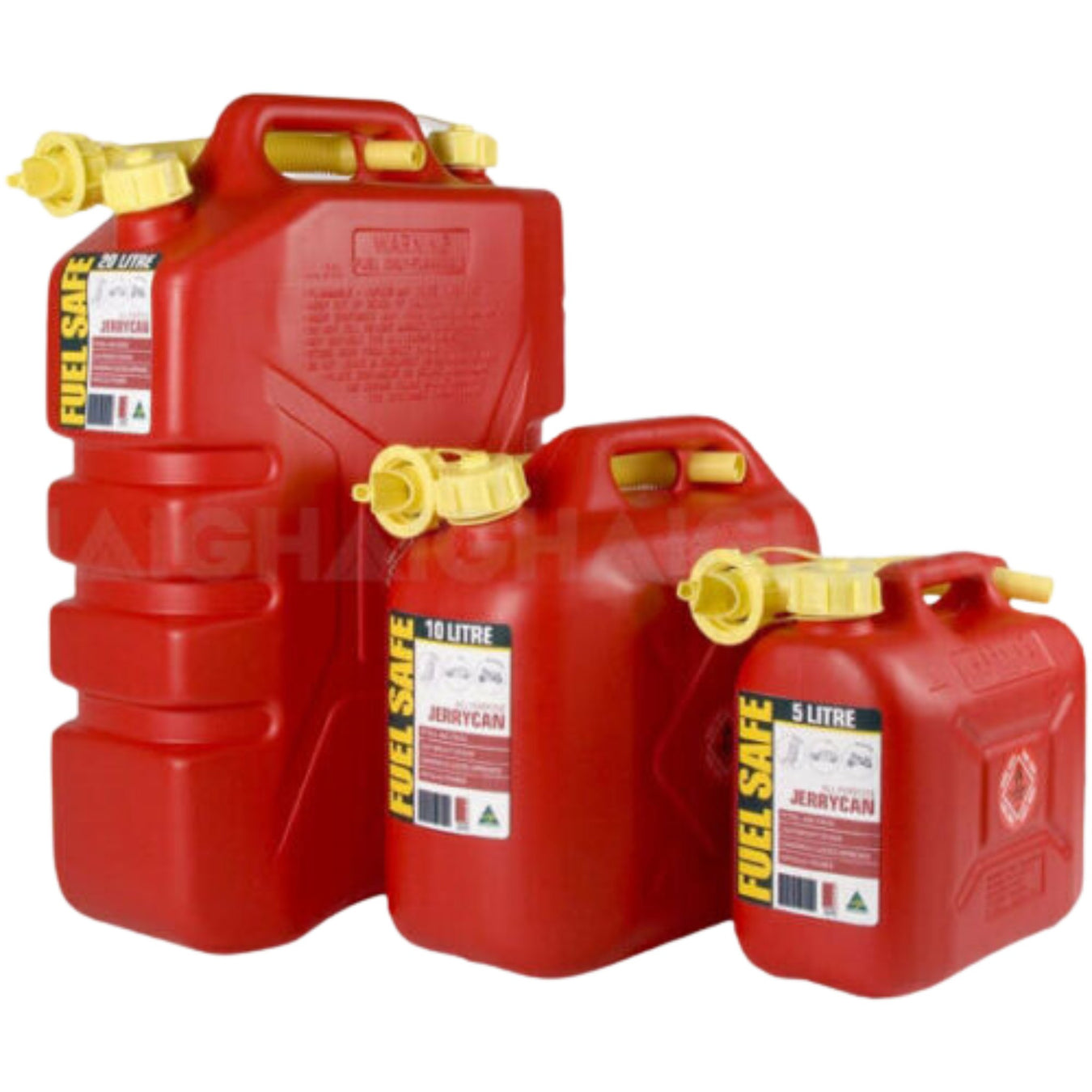
- 20 litre Supex diesel container, Australian made: $67.95
- 20 litre steel: $61 to $90
- Imported military spec steel with no Australian distributor: grey imports at a large premium
The extra money buys thicker walls, a better spout and breather, UV stabilised plastic and a UN certification a service station will accept. Water containers skip the fuel testing, which is why a 20 litre Supex cube water container is $34.95.
Accessories to budget for:
- Fuel ID tag: $3
- Funnel or flexible spout: $12 to $17
- Jiggle siphon: $17 to $25
- Lockable holder for the drawbar or rear bar: $37 to $150
Browse the full jerry cans, holders and accessories range.
Fuel Types and Colours
What colour jerry can is for petrol, and what colour is diesel?
Australia follows the AFAC colour scheme used by fire and emergency services, which uses AS 2700 colour names:
- Signal red: unleaded petrol
- Olive yellow: diesel
- Bottle green: two stroke 25:1
- Pipeline grey: two stroke 50:1
- Orange: ethanol blends
- Mist blue: water
- Powder blue: kerosene
- Black: oil
Australian made cans are moulded in these colours, and every retailer stocks the core three: red for petrol, yellow for diesel and green for two stroke.
Three things to know:
- Convention, not law. WorkSafe Victoria's jerry can compliance requirements cover the UN mark and AS 2906 mark and say nothing about colour. Colour coding is only mandatory inside fire brigades and on worksites that write it into their rules.
- Green is ambiguous. Bottle green means two stroke in the AFAC scheme, but army green cans are sold both as steel fuel cans and as water only plastic cans.
- Diesel in a red can is legal. An AS/NZS 2906 can does not care what fuel it holds. The risk is the next person who reaches for it.
Fit a yellow diesel ID tag, a red unleaded tag or a blue water tag to the handle, and always read the moulded markings rather than trusting the colour.
Can you put diesel in a petrol jerry can, or petrol in a diesel jerry can?
Yes in one direction, and usually in the other.
- Diesel in a petrol can: fine. An AS/NZS 2906 can is rated for all pump fuels whatever its colour. The plastic, or the enamel lining in a steel can, is identical across colours; the colour is identification only.
- Petrol in a diesel can: fine only if the can carries the AS/NZS 2906 mark and a UN number. Approved container rules apply to flammable liquids, and diesel is classed as combustible, so some cheap yellow containers are sold for diesel without full fuel certification and lack the vapour pressure rating petrol needs.
The real risk is contamination, not the container. A diesel injection pump is lubricated by the diesel itself and runs to very fine tolerances, so even a small amount of petrol can damage a common rail system. Diesel in a petrol engine runs rough and smoky. The film left in a "drained" 20 litre can is enough to matter in a modern diesel.
If you must switch a can between fuels:
- Drain it completely and leave it open in the shade to evaporate
- Swill it with a cup of the new fuel and take that rinse to a household chemical collection
- Relabel it with a new ID tag
The simpler answer for a caravan is one can per fuel, tagged.
Filling Jerry Cans
Can you fill jerry cans at petrol stations in Australia, and how many?
Yes, in every state, provided the container is compliant and you fill it correctly:
- AS/NZS 2906 mark and UN approval number on the can
- 25 litres maximum per container
- Can on the ground, never in a boot, ute tray, trailer or caravan
- One hand on the can and the nozzle touching it, to bleed off static
- Fill only to the marked line and tighten the cap before lifting
These are WorkSafe rules, not house rules. WorkSafe Queensland instructs console operators to cut the pump if someone fills a non compliant container or fills inside a vehicle, and a site can be fined if it lets it through. Expect to be refused with a water can, a drink bottle or an unmarked old tin.
Other points:
- Diesel: classed as a combustible rather than a flammable liquid, so the approved container rule does not strictly apply and it can be dispensed into larger containers with normal precautions. Most sites apply one policy across all pumps, so bring a certified can anyway.
- How many: no rule caps the number of cans, but each must be 25 litres or under, and the dangerous goods personal use concession caps what you then carry at 250 litres inside the passenger compartment without a licence or placards. Sites can set their own limits, as some did during the April 2026 shortage.
- Minimum age: 15 in Victoria and WA, 16 in Queensland, South Australia and Tasmania. Individual fuel brands may set 16 as their own policy.
Do petrol stations sell jerry cans?
Many do, but not all. The major chains publish no national jerry can range, so stock is decided site by site: a franchised highway servo may carry 5, 10 and 20 litre cans while a metro site has a single 5 litre can or none. Where they are sold, prices sit close to auto retail, roughly $17 for a 5 litre can and $33 for a 20 litre plastic can in September 2026.
Before you pay, check the can for:
- The AS/NZS 2906 mark
- A UN approval number
- On plastic, the moulded month and year of manufacture
Heading somewhere remote? Buy the can before you leave and carry it empty in the van rather than hoping the last servo has one. Our jerry can range is in stock year round.
How do you fill a jerry can safely?
- Switch the engine off, put the phone away and do not smoke.
- Lift the can out of the vehicle and stand it on the concrete beside the bowser. Bed liners, carpet and tonneau covers insulate the can so static builds up, and WorkSafe Victoria notes that petrol vapour can be lit by a courtesy light or a static spark inside a vehicle.
- Take the cap off, keep one hand on the can and rest the nozzle against the neck. Use the earthing strap if the site provides one.
- Fill slowly to the marked fill line and no further. AS/NZS 2906 requires at least 5 percent overflow capacity above that line, and that headspace absorbs expansion on a 40 degree day.
- Replace the cap finger tight. Over tightening pinches the seal and causes leaks.
- Wipe any spill, then stow the can upright and restrained in a tray, holder or roof rack.
If the can has to travel inside the vehicle for a short trip, put it on the floor rather than the seat and wind the windows down for cross flow ventilation.
How do you fill a car from a jerry can, including a diesel car?
Pouring from the can:
- Park on level ground, switch the engine off and stand the can next to the filler.
- Fit the pouring spout and open the breather cap so air can replace the fuel.
- Lift with both hands and rest the shoulder of the can on the filler neck rather than holding 18 kg at arm's length.
- Pour steadily. A wide fast pour spout delivers about 20 litres a minute and a jiggle siphon about 7, so a 20 litre can takes one to three minutes.
- Stop before the tank neck fills, replace the can cap and wipe the filler.
Diesel cars: many modern diesels, and some petrol cars, have a spring loaded misfuelling flap or a narrow filler neck that a rigid spout cannot open. Two fixes:
- A long flexible spout that reaches past the flap, such as the Cargo Mate Bushmaster Flexi Power Spout for 20 litre metal cans
- A jiggle siphon such as the Orcon 13 mm brass jiggle siphon. Its brass end holds a ball valve: shake it up and down in the can a few times, fuel ratchets up the hose, and gravity takes over once it crests the high point. The can must sit higher than the filler, so lift it onto the tray or bull bar first
Dust and water are the enemy of injectors, so pour through a filtered funnel such as the Orcon 3 in 1 funnel if the can has been bouncing on a corrugated road.
Carrying and Storing Jerry Cans
Can you keep a jerry can in your car, and how many can you transport?
Carry, yes. Keep, no. A fuel can should never live in a cabin or boot: vapour collects in enclosed spaces, and a parked car can pass 70 degrees inside on a 30 degree day. An "empty" can still holds vapour, so the same rules apply.
For a trip:
- Best: ute tray, trailer, roof rack or a dedicated holder, upright and strapped so it cannot tip
- If it must ride inside for a short leg: on the floor, restrained, windows down, no smoking
How much you can carry without a dangerous goods licence, placards or paperwork:
- Queensland personal use concession: up to 250 litres inside the passenger compartment, and less than 500 litres carried outside it, in approved containers
- Victoria tools of trade concession: the same 250 and 500 litre figures
- The 25 litre limit applies to filling at a service station, not to what you may carry
A realistic touring load of two to four cans is nowhere near those thresholds.
Petrol on a caravan rear bar or drawbar: no Australian law prohibits it. What the road rules in every state do require is that the load is restrained and does not create a danger to any person or property, and your insurer may set its own conditions. The rear of a van is the impact zone in a rear end crash, so the safer split is petrol in the ute tray and diesel, which is far less volatile, in the holder. A lockable jerry can holder keeps the can upright, deters theft and keeps fumes out of the van. Count a 20 kg can behind the axle in your ball weight.
How should jerry cans be stored at home, and can they be laid on their side?
Store fuel cans upright, sealed, in a cool ventilated shed or outbuilding, out of direct sun and away from anything that sparks or has a pilot light. Fire Rescue Victoria warns that petrol vapour is heavier than air and travels along the floor to an ignition source, which is why an attached garage with a hot water service, fridge, freezer or power tools is a poor place for fuel. Keep steel cans off bare concrete on a shelf or timber base.
Domestic quantity limits under Australian Standard AS 1940:
- Petrol: 5 litres inside a dwelling; 25 litres in an attached garage; 100 litres in a detached shed or garage with at least a metre of clearance from the house; roughly 200 to 250 litres in a detached shed at least 3 metres away (published summaries differ on that last tier, so confirm with your council or fire service)
- Diesel: 50 litres inside a dwelling; 100 litres in an attached garage; 500 litres in a detached shed
- South Australia: 120 litres in total, with no container over 60 litres
Tell your insurer if you store more than a couple of cans, and use the fuel within a few months rather than stockpiling it.
Can they lie on their side?
- Plastic cans: no. Their caps are vented, and the ADG Code requires vented closures to be stowed uppermost, because a vent or seal sitting under liquid weeps fuel and vapour.
- Steel NATO style cans with a cam lever or twist cap: yes. They can be stowed in any orientation, which suits tight drawer systems, but upright is still the safest default.
Can a jerry can explode, for example if it is left in the sun?
Not from heat alone.
- Petrol's flash point is below minus 40 degrees, so it gives off ignitable vapour at every Australian temperature
- Its autoignition temperature is several hundred degrees (BP's safety data sheet gives above 350)
- A can in the sun or a hot car might reach 70 degrees, nowhere near that
- Diesel is far more forgiving with a flash point above 60 degrees, though the same storage rules apply
What heat does is raise the pressure inside the can and push vapour past the seal. Petrol vapour is heavier than air, so it pools and spreads until it meets a spark, a pilot light or a power tool, and that is when a flash fire or explosion happens.
A compliant can is drop, leak, pressure and stack tested and has expansion space above the fill line, so a correctly filled, sealed can kept in the shade is very unlikely to fail. The failures WorkSafe Victoria and the fire services report come from four things:
- Cans filled to the brim with no headspace
- Plastic cans past their five year life
- Containers never designed for fuel
- Vapour building up in an enclosed space
Keep cans out of the cabin, out of the sun, filled to the line and replaced on time.
Fuel Life, Care and Disposal
How long can petrol or diesel sit in a jerry can before it goes off?
How long fuel lasts:
- Petrol, sealed can under cover: about one year
- Petrol, once the seal is broken: six months at 20 degrees, three months at 30 degrees
- Petrol in a mower or generator tank: one month
- Diesel, sealed under cover: one year and often longer
- E10: far less tolerant of water than regular unleaded. Ethanol pulls moisture from the air and the blend can separate into a petrol layer and a watery ethanol layer, so treat stored E10 as shorter lived and keep the can tightly capped
Why fuel goes off:
- Petrol loses its lightest compounds to evaporation and the rest oxidises into gums, so stale fuel is darker, smells sour or like varnish, and causes hard starting and a lumpy idle
- Diesel degrades through condensation: bacteria and fungi grow at the fuel and water interface (the "diesel bug"), very small amounts of free water are enough to start it, and modern ultra low sulphur diesel is more susceptible than the older high sulphur fuel
Keep any can sealed, full and out of the sun; the figures above assume a sealed container under cover. A fuel stabiliser dosed at the label rate, typically 25 ml per 20 litres, keeps petrol or diesel storable for up to 12 months. The cheaper habit is rotation: tip the can into the car every three months and refill it fresh.
Do jerry cans expire?
Plastic cans do; steel cans do not.
Plastic:
- The Australian Dangerous Goods Code sets a five year life for HDPE fuel containers, counted from the month and year moulded into the can
- In Victoria they cannot be sold once older than that, and WorkSafe Victoria issued a safety alert after plastic cans and marine tanks past that age were found leaking
- Retire a can at five years, or sooner if it is swollen, distorted, cracked, chalky or weeping at the cap, and return it to the supplier for reprocessing
- A service station is entitled to refuse an expired can
Steel:
- No expiry. A well kept steel can lasts more than 20 years
- Check the cap seal each season and replace it as soon as it shows cracking, flattening or leaking
- Touch up chipped paint so the steel underneath does not rust, and inspect the body for dents that could crack the enamel lining
Water containers carry no regulated life, but replace them once the plastic goes brittle or stained.
How do you clean a jerry can?
A fuel can staying in fuel service: avoid water.
- Empty it and stand it upside down to drain
- Leave it open in the shade, away from any ignition source, until dry
- Switching fuels? Swill it with a cup of the new fuel, tip that rinse into a container for the household chemical collection, and fit a new ID tag
- Never rinse a fuel can near flames, and never pour the rinse down a drain
A fuel can being retired, repurposed or full of sludge: water is acceptable.
- Add warm water, a squirt of dishwashing liquid and a handful of clean gravel, then shake
- Tip out and rinse until no suds remain
- Dry completely for several days with the cap off before any fuel goes back in. Water left behind feeds diesel bug and separates E10
- Steel fuel cans should never see water inside at all; the enamel lining is not designed for it
Water containers:
- One tablespoon of bicarbonate of soda in 500 ml of warm water, shaken through the can
- Leave for 30 minutes with the caps loose
- Rinse and dry upside down with every cap open
- Store dry, keep it in a cool dark place when full, and rotate stored drinking water every six months or so
How do you dispose of old jerry cans and leftover fuel?
Leftover fuel never goes in a bin or down a drain. Every state runs a free household chemical collection:
- Victoria: Detox Your Home accepts petrol, diesel, kerosene and old mower fuel in containers up to 20 litres
- New South Wales: Household Chemical CleanOut
- Wrap the can in newspaper and stand it in a bucket for the drive there
The empty can, once aired out, goes by material:
- Steel: scrap metal, via a council transfer station or scrap dealer
- Plastic: not accepted in kerbside recycling because of fuel residue. Take it to the transfer station, or for expired cans follow WorkSafe Victoria's advice and return it to the supplier for reprocessing
Councils differ, so check your council's A to Z waste guide before you load the car.
Figures on this page were verified in September 2026 against WorkSafe Victoria, WorkSafe Queensland, WorkSafe WA, Fire Rescue Victoria, the Australian Dangerous Goods Code, AS/NZS 2906, AS 1940 and the AFAC fuel container colour guideline. Retail prices and temporary fuel standard variations change; check the current figure before relying on it.